
Agricultural and Food Products
Basmati and Non-Basmati Rice
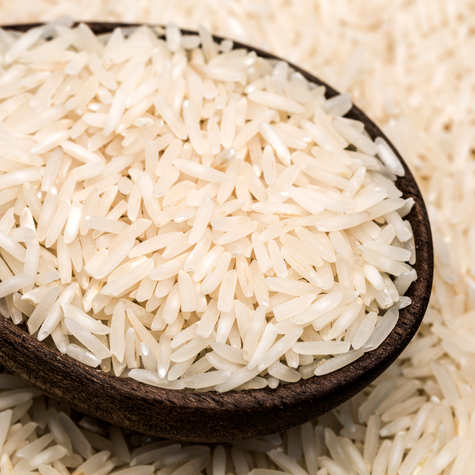
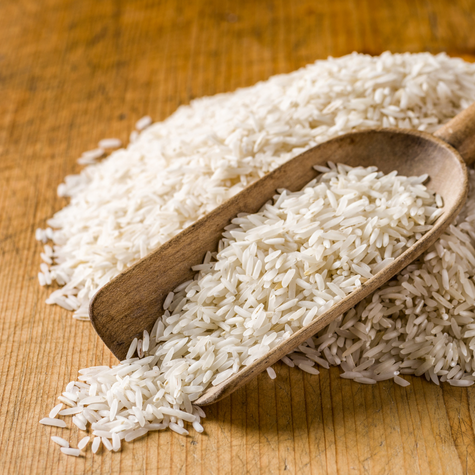
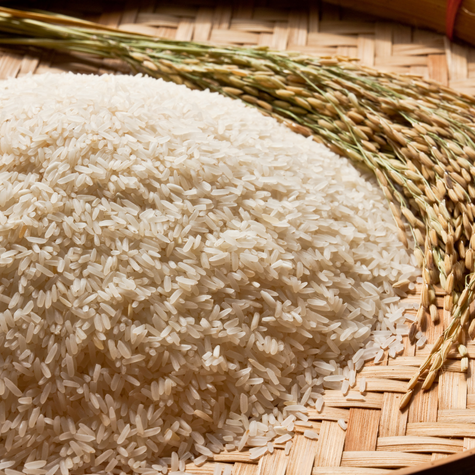
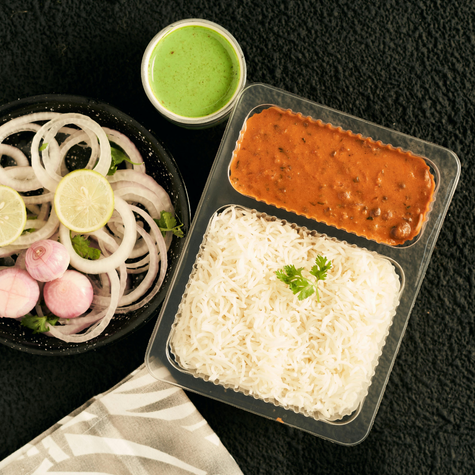
Basmati and non-Basmati rice differ in aroma, grain length, and culinary use. Basmati rice, primarily grown in India, is known for its distinct fragrance, long slender grains, and fluffy texture when cooked, making it ideal for dishes like biryani and pulao. It is aged to enhance its flavor and cooking quality. Non-Basmati rice, on the other hand, includes a wide variety of rice types grown globally, with grains that may be short, medium, or long, and they generally lack the characteristic aroma of Basmati. Non-Basmati rice is more commonly used for everyday cooking and is typically more affordable. Both types have their unique applications based on texture, taste, and culinary tradition.
Pulses and Lentils
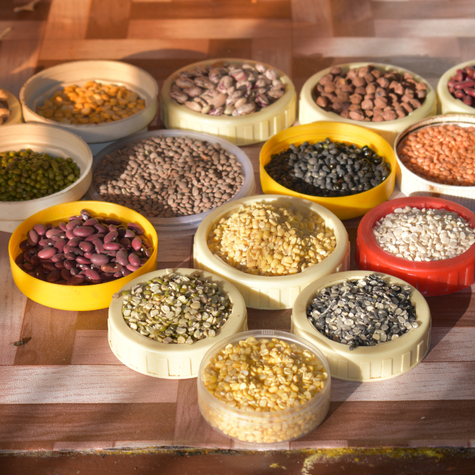
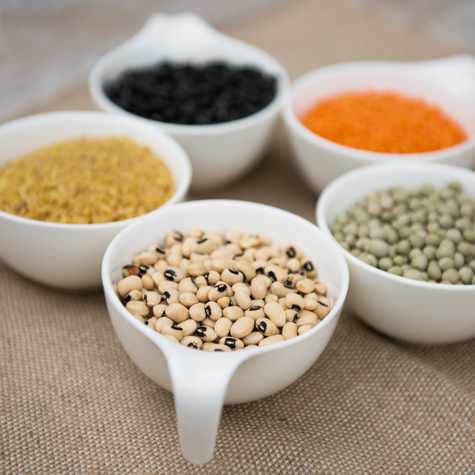
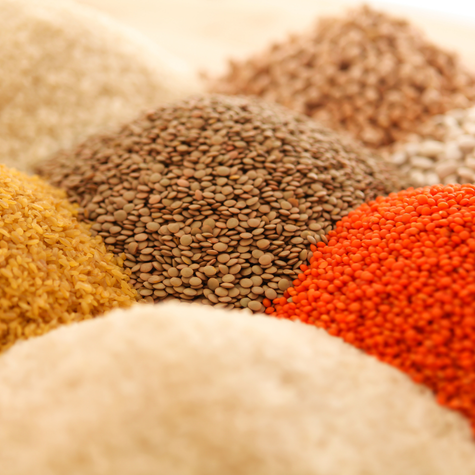
Pulses and lentils are essential sources of plant-based protein, widely consumed around the world, especially in vegetarian diets. Pulses refer to the dried seeds of leguminous plants, including lentils, chickpeas, beans, and peas. Lentils, a type of pulse, come in various colors such as red, green, brown, and black, each with distinct flavors and cooking properties. They are rich in protein, fiber, iron, and other nutrients, making them highly nutritious and beneficial for heart health and digestion. Pulses and lentils are versatile and used in a variety of dishes like soups, stews, curries, and salads, playing a vital role in balanced diets and sustainable agriculture.
Spices (Turmeric, Cumin, Coriander, Chili, Cardamom, etc.)
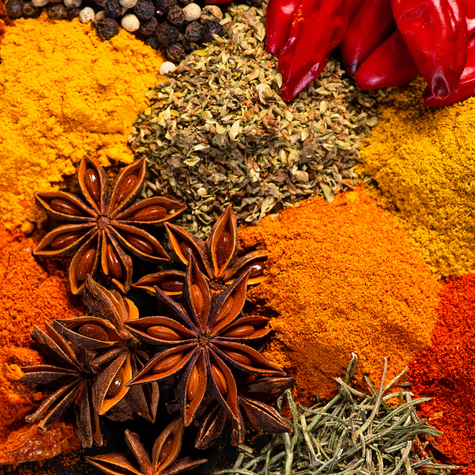
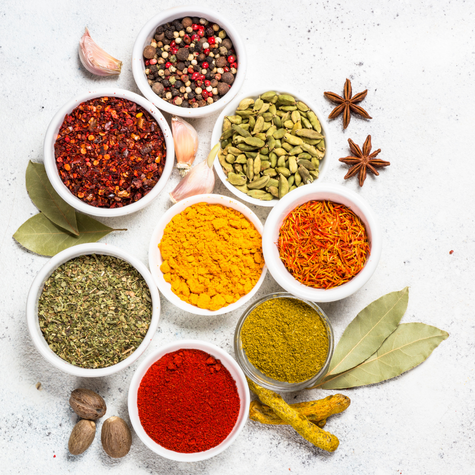
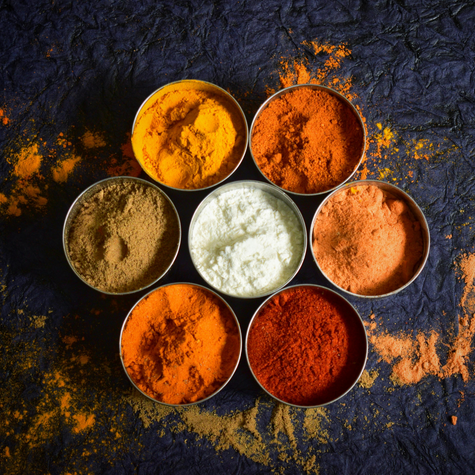
Spices such as turmeric, cumin, coriander, chili, and cardamom are essential ingredients in global cuisines, especially in Indian cooking, known for their rich flavors, vibrant colors, and health benefits. Turmeric is prized for its golden color and anti-inflammatory properties; cumin adds a warm, earthy taste and aids digestion; coriander offers a citrusy flavor and is used in both seed and powder form. Chili provides heat and enhances the taste and aroma of dishes, while cardamom, with its sweet and aromatic flavor, is used in both savory and sweet preparations. These spices not only enhance the taste of food but also have medicinal and preservative qualities, making them a vital part of traditional diets and natural remedies.
Fresh Fruits & Vegetables (Mangoes, Onions, Potatoes, etc.)
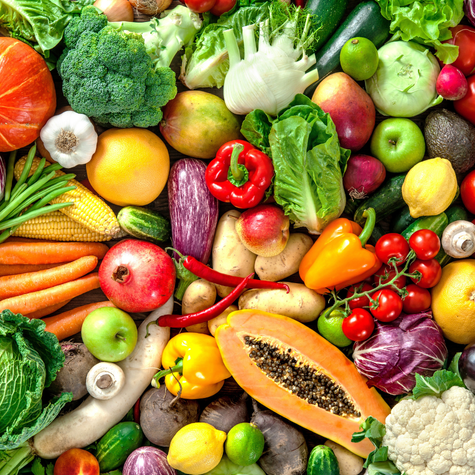
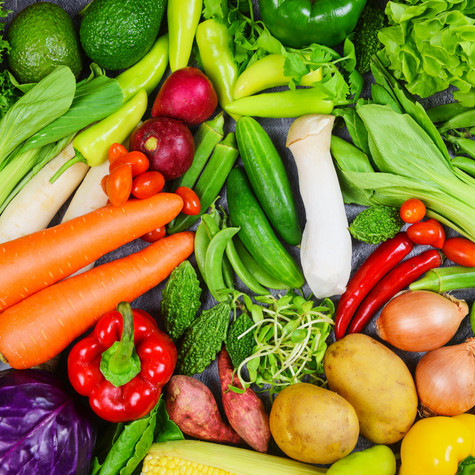
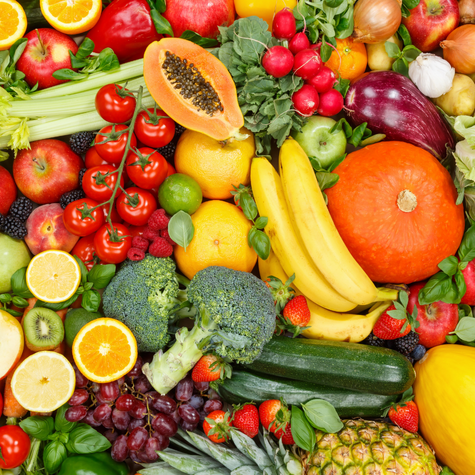
Fresh fruits and vegetables like mangoes, onions, and potatoes are vital components of a healthy and balanced diet, offering a wide range of nutrients, flavors, and culinary uses. Mangoes, known as the “king of fruits,” are rich in vitamins A and C, and are enjoyed fresh or in juices, pickles, and desserts. Onions are a staple in countless dishes worldwide, adding depth and flavor whether used raw, sautéed, or caramelized. Potatoes are one of the most versatile vegetables, providing carbohydrates and essential minerals, and can be cooked in numerous ways such as boiling, frying, or baking. These fresh produce items not only support overall health but also play a crucial role in everyday cooking across cultures.
Processed Foods and Ready-to-Eat Items
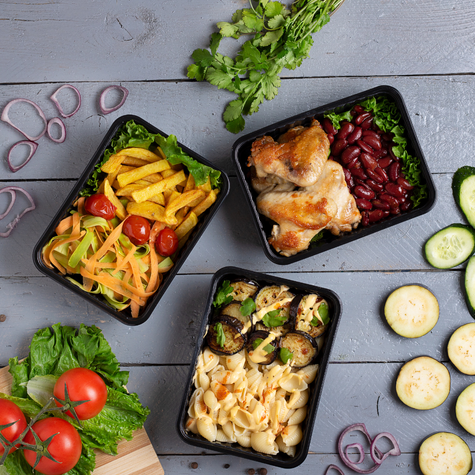
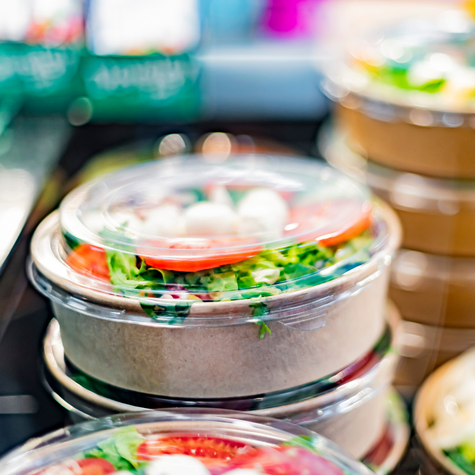
Processed foods and ready-to-eat items are convenient food options that require minimal preparation, making them popular in today’s fast-paced lifestyles. These include packaged snacks, instant noodles, frozen meals, canned foods, and microwaveable dishes that are either partially or fully cooked. While they offer ease and time-saving benefits, they often contain preservatives, added sugars, sodium, and artificial ingredients to enhance shelf life and flavor. However, many manufacturers now offer healthier options with improved nutritional value. When consumed in moderation and balanced with fresh foods, processed and ready-to-eat items can be a practical solution for busy individuals and families.
Edible Oils
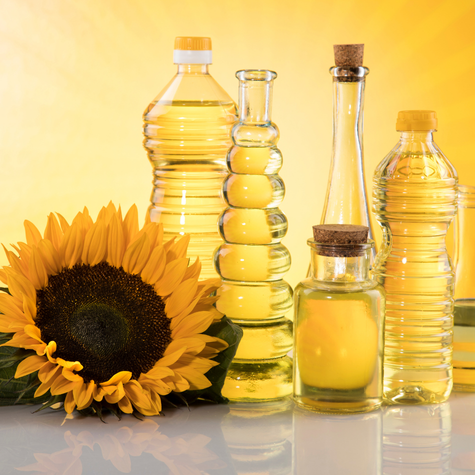
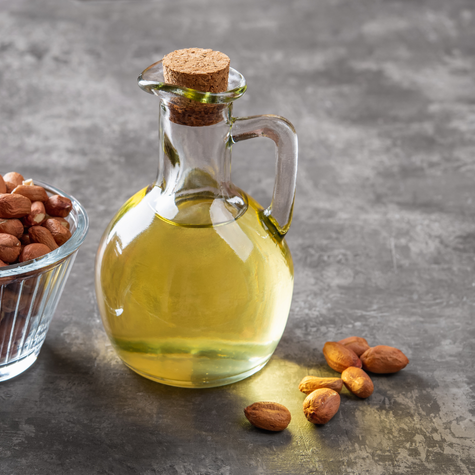
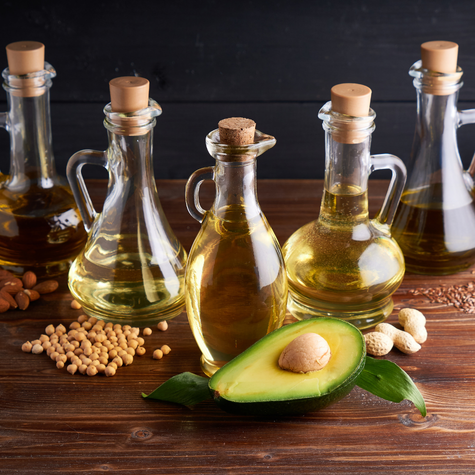
Edible oils are essential cooking ingredients used for frying, baking, and seasoning, and they also provide important dietary fats. Common types include vegetable oils like sunflower, soybean, and canola oil; nut-based oils such as peanut and coconut oil; and specialty oils like olive oil, which is valued for its heart-healthy properties. Each oil varies in flavor, nutritional content, and smoke point, making certain oils better suited for specific cooking methods. While oils are a key source of energy and help in the absorption of fat-soluble vitamins (A, D, E, and K), it’s important to use them in moderation and choose healthier, less processed varieties to support overall wellness.
Address
A303, Chemburjyoti CHS Ltd.,Bldg.No.89, Tilaknagar, Chembur, Mumbai-400089, Maharashtra, India.
Phone
+91 98202 79529
+91 99690 79529
Info@atgimpexllp.com
atgimpexllp@yahoo.com